
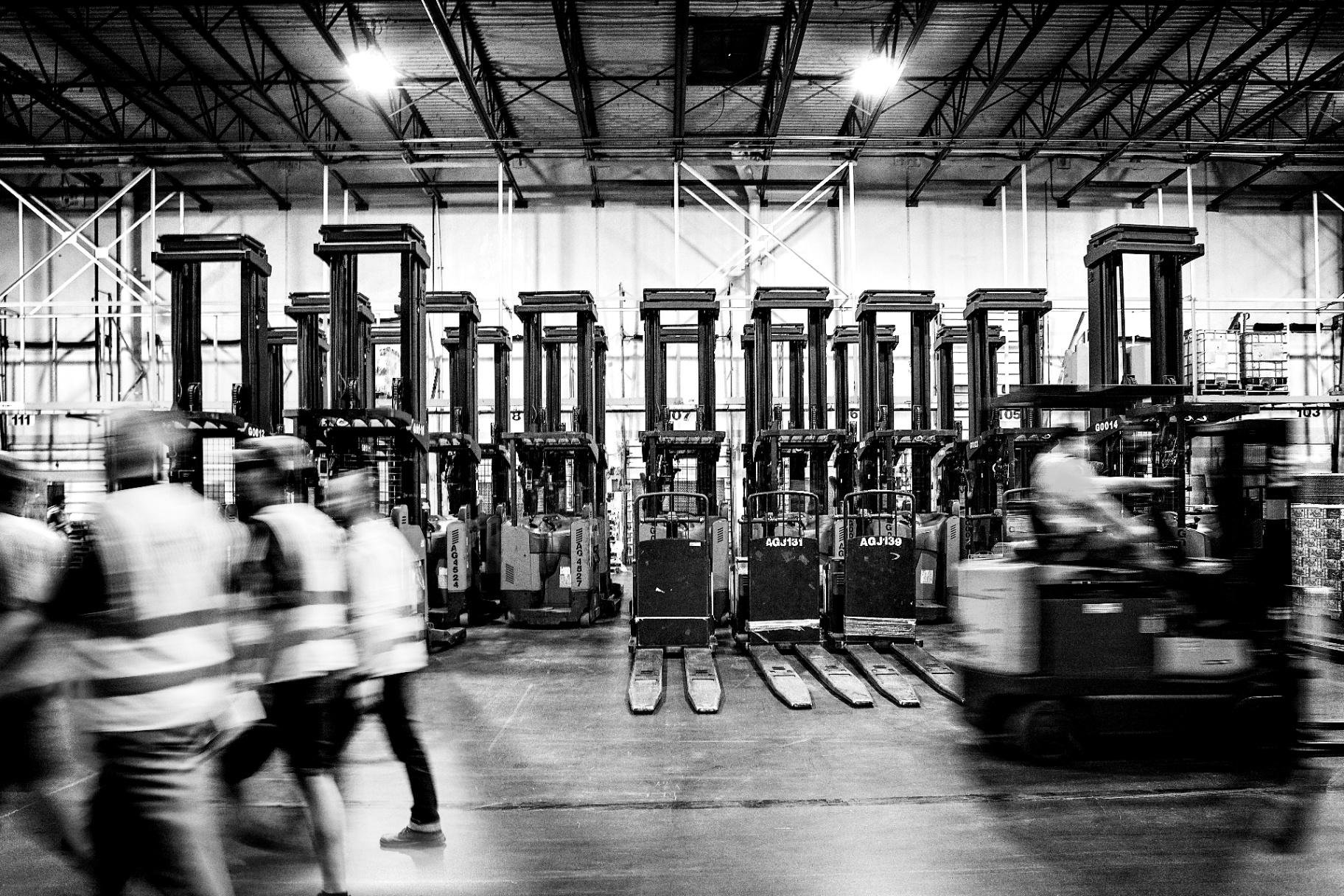
Weak supervisors negatively impact your supply chain by fostering environments of low morale, high turnover, and operational inefficiencies. These issues translate directly to increased costs, missed targets, and a less resilient operation. Investing in supervisor development is essential to mitigate these hidden costs and build a more productive, engaged workforce.
The Problem: The Tangible Costs of Untrained Leadership
As a frontline leader in supply chain, logistics, or manufacturing, you understand the constant pressure to optimize, reduce costs, and deliver on time. What often goes unnoticed are the tangible costs introduced by supervisors who lack fundamental leadership skills. It's not just about a bad day; it's about a consistent drag on your entire operation.
Think about the domino effect. A supervisor struggles with clear communication, leading to misunderstandings on the floor, reworks, and missed deadlines. Another avoids difficult conversations, allowing poor performance to fester and impact team morale. An inability to coach or develop talent means you're constantly backfilling positions, losing institutional knowledge, and incurring recruitment and training costs. These aren't abstract problems; they are real drains on your budget and your operational efficiency.
Why This Is Hard: Leading in a Fast-Paced Environment
Leading frontline teams in a supply chain environment is uniquely challenging. It’s fast-paced, high-pressure, and often requires quick decisions. Supervisors are expected to manage people, processes, and performance, often with limited formal training in leadership or even basic management principles. They are promoted for performance, not necessarily for their ability to lead others.
The operational demands are constant, leaving little perceived time for coaching, feedback, or strategic communication. Supervisors are often caught between upper management expectations and frontline realities, trying to balance targets with employee needs. Without a solid foundation in leadership, it's easy for them to default to reactive management, which only compounds existing problems and accelerates the hidden costs we discussed.
A Simple Plan: Strengthening Your Supervisory Bench
Addressing weak supervision requires a structured approach. Here's a simple plan to start strengthening your supervisory bench:
- Assess Current Skills: Don't guess; truly understand where your supervisors stand. Use observation, structured interviews, and peer feedback to identify specific skill gaps in communication, accountability, coaching, and conflict resolution.
- Prioritize Key Leadership Behaviors: Focus on 2-3 critical behaviors that will have the most immediate positive impact. Perhaps it's consistent one-on-one check-ins, delivering clear instructions, or providing constructive feedback. Overwhelm them with too many new habits and nothing sticks.
- Provide Targeted Training and Mentorship: Generic leadership training rarely sticks. Instead, offer practical, scenario-based training that addresses identified gaps. Pair newer supervisors with experienced, effective leaders for mentorship. This provides a safe space for learning and reinforces desired behaviors.
- Establish Clear Expectations & Accountability: Define what successful supervision looks like in your operation. Communicate these expectations clearly and consistently. Hold supervisors accountable not just for output, but for the quality of their leadership and team engagement.
- Build a Feedback Culture: Encourage regular, constructive feedback—up, down, and across the organization. Supervisors need to be comfortable giving it, and receptive to receiving it. This fosters continuous improvement and builds trust.
This isn't about pointing fingers. It's about recognizing that effective leadership is a skill that can be taught, nurtured, and refined. When you invest in your supervisors, you're investing directly in your operational resilience and bottom line.
What Success Looks Like: A Resilient, High-Performing Supply Chain
When you commit to strengthening your supervisors, the results are clear and impactful. You'll see fewer reworks and errors because communication is clearer. Team morale improves, leading to lower turnover and a more stable workforce, which dramatically reduces recruitment and training expenses. Accountability becomes a shared value, not a struggle, as supervisors confidently address performance issues and celebrate successes.
Your operations become smoother, more predictable, and more efficient. Supervisors transform from problem-solvers into proactive leaders, anticipating challenges and driving continuous improvement. This results in faster throughput, better quality control, and a supply chain that can better adapt to disruption. Ultimately, your entire team benefits from a culture of trust, competence, and a shared commitment to excellence.
Understanding the strengths and growth areas of your frontline leaders is the first step toward building a more resilient operation. Take the Leadership Laces Self-Assessment today to gain valuable insights into your current leadership capabilities and pinpoint where to focus your development efforts.
If you're ready to address these challenges head-on and equip your supervisors with the skills they need to excel, consider exploring how targeted training can transform your team. Request a Leadership Laces session to discuss a tailored solution for your organization.
Frequently asked questions
What are the immediate signs of weak supervision in a supply chain?
Immediate signs often include high employee turnover, frequent communication breakdowns leading to errors or reworks, unmet deadlines, and a general lack of accountability within the team. You might also observe low team morale and a resistance to new initiatives.
How does weak supervision directly impact operational costs?
Weak supervision directly impacts costs through increased scrap and waste due to errors, higher recruitment and onboarding expenses from constant turnover, and lost productivity from inefficient processes. It also leads to increased overtime pay to compensate for delays and a higher potential for safety incidents.
Can strong supervisors really reduce employee turnover?
Absolutely. Strong supervisors create a positive work environment, provide clear direction, consistent feedback, and opportunities for growth. This leads to higher employee engagement and satisfaction, significantly reducing the likelihood that employees will look for opportunities elsewhere.
What is the most critical skill for a supply chain supervisor to develop?
While many skills are crucial, effective communication is arguably the most critical. Clear communication prevents misunderstandings, ensures tasks are executed correctly, and builds trust within the team. It underpins all other leadership capabilities.
How long does it take to see improvements after investing in supervisor training?
You can begin to see noticeable improvements in team morale and communication within a few weeks of targeted training and consistent application. More significant changes in productivity and turnover rates typically become evident within 3-6 months, as new habits solidify and a new culture takes root.
Is supervisor training a one-time event or an ongoing process?
Supervisor training is an ongoing process. Leadership is a continuous journey of learning and adaptation, especially in dynamic environments like supply chain. Regular refreshers, advanced modules, and consistent mentorship ensure skills remain sharp and evolve with organizational needs.
Download the Leadership Laces Self-Assessment
See where your frontline supervisors stand in under 10 minutes. Score the gaps that quietly cost you retention, safety, and output.
Bring a Leadership Laces session to your team
Practical, floor-tested training built for warehouse, logistics, manufacturing, and supply chain supervisors.
Free Tool
Not Sure Where Your Frontline Leadership Stands?
Download the Leadership Laces Self-Assessment and use the scorecard to identify strengths, gaps, and next steps in trust, accountability, communication, feedback, and team connection.