
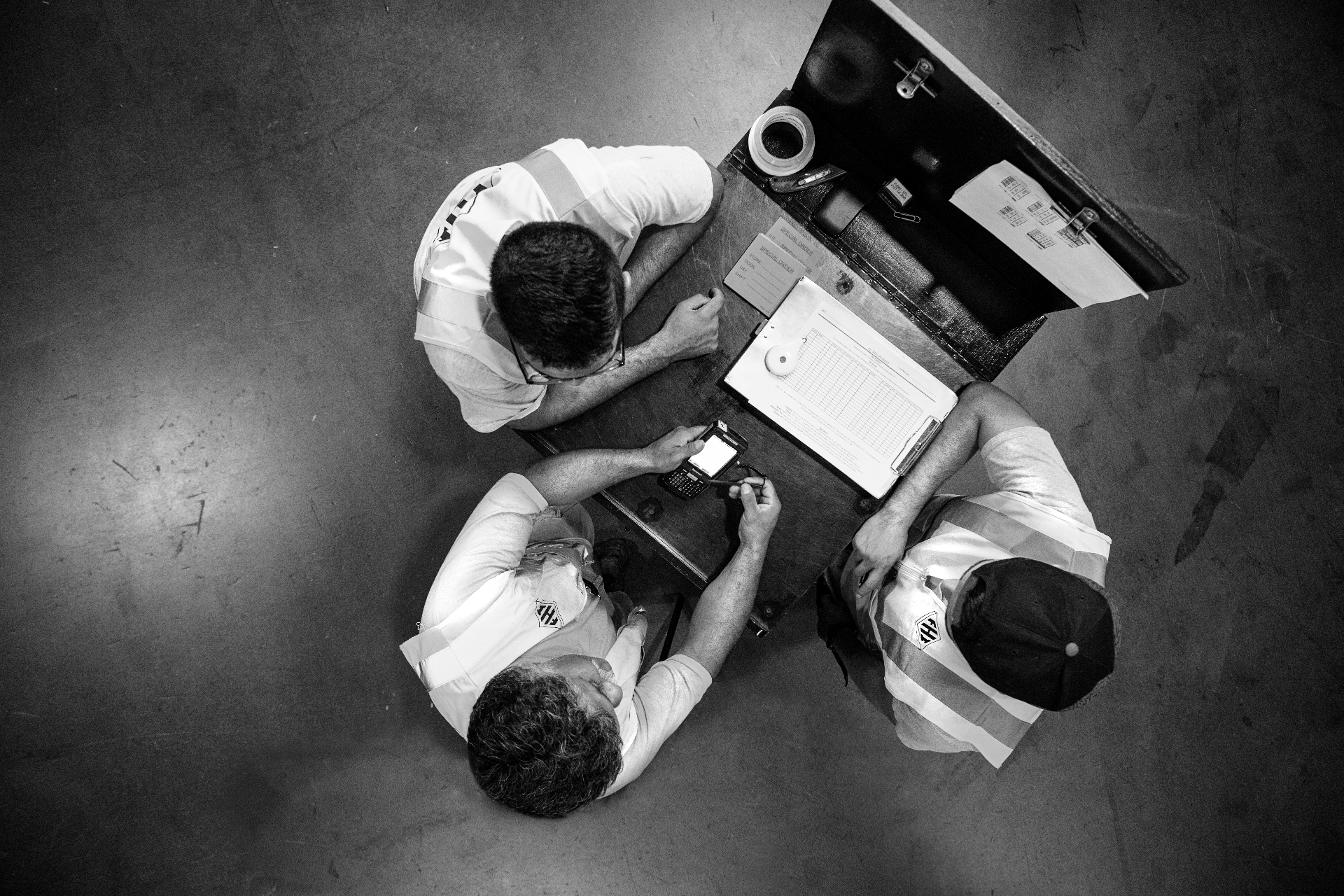
Operations leadership training sticks when it's practical, reinforced consistently, and directly applicable to the day-to-day challenges of frontline supervisors. It requires more than just a one-off session; instead, it needs ongoing support, opportunities for real-world practice, and a culture that values continuous development and skill application.
The Problem: Training That Fades Away
You've likely invested in leadership training seminars or workshops before. Your supervisors walk out motivated, armed with new techniques for communication, accountability, or team building. But then, a few weeks or months later, things regress. Old habits return, new skills aren't consistently applied, and the initial positive impact diminishes. It’s frustrating to see valuable time and resources yield only temporary results. The problem isn't necessarily the training content itself, but rather how it's integrated—or fails to be integrated—into the daily rhythm of an operational environment.
Why This Is Hard
Leading frontline teams in fast-paced operational settings—warehouses, manufacturing floors, logistics hubs—is uniquely demanding. Supervisors are constantly juggling production targets, safety protocols, personnel issues, and unexpected disruptions. They operate under pressure with little time for reflection or deliberate practice of new skills. Traditional training often fails to account for this reality. It expects supervisors to seamlessly translate classroom theory into their chaotic work environment without structured support or consistent reinforcement. Without a clear pathway to apply and embed new behaviors, even the most impactful training can quickly become another forgotten initiative. You're not alone in noticing this gap; it's a common challenge for many operations.
A Simple Plan: Make Training Stick
For operations leadership training to truly stick, it needs a deliberate, multi-faceted approach. Here's how to build a system that supports lasting change:
1. Focus on Relevance and Immediate Application
- Target Specific Pain Points: Before training, identify the exact communication gaps, accountability issues, or performance challenges your supervisors face. Tailor the training to these real-world scenarios.
- Role-Playing & Scenarios: Incorporate exercises that mimic daily interactions (e.g., giving feedback, addressing conflict, delegating tasks). Make sure these are directly relevant to your operational context.
- Clear Takeaways: Every training module should end with 2-3 actionable steps supervisors can implement the very next day.
2. Build in Consistent Reinforcement
- Post-Training Check-ins: Schedule regular, short follow-up meetings (weekly or bi-weekly) where supervisors can share successes, challenges, and lessons learned from applying new skills.
- Peer Coaching & Mentorship: Encourage supervisors to partner up and coach each other on new techniques. Experienced supervisors can mentor newer ones.
- "Skill of the Week" or "Focus Friday": Dedicate a brief portion of team meetings to discussing and practicing one specific leadership skill taught in training.
3. Provide Leadership Support & Accountability
- Lead by Example: Senior leaders must demonstrate the behaviors and skills taught in training. If managers don't model effective communication, supervisors won't see its value.
- Embed into Performance Reviews: Include leadership skill development and application as a component of performance evaluations. This shows it's a priority.
- Resources & Tools: Provide quick reference guides, checklists, or templates that supervisors can easily access and use on the floor to support their new skills.
4. Foster a Culture of Continuous Learning
- Feedback Loops: Create opportunities for supervisors to receive feedback on their leadership performance from their teams and managers.
- Ongoing Development: View training as an ongoing journey, not a one-time event. Offer refresher courses or advanced modules to build on initial learning.
- Celebrate Success: Acknowledge and celebrate supervisors who effectively apply new leadership skills and achieve positive results.
What Success Looks Like
When operations leadership training truly sticks, you'll see a noticeable shift across your entire operation. Supervisors will exhibit greater confidence in handling difficult conversations, their teams will show improved accountability, and communication breakdowns will become less frequent. Your production floor will hum with clearer directions, more proactive problem-solving, and a stronger sense of team cohesion. Turnover might decrease as employees feel more supported and understood. Ultimately, stronger supervisors lead to more engaged teams, better performance, and a more resilient operation capable of meeting its goals consistently. This is what effective, lasting leadership development can achieve.
Ready to assess your current leadership strengths and identify areas for growth? Take the Leadership Laces Self-Assessment today and get a clear picture of where your frontline leaders stand.
If you're looking for tailored solutions to ensure your operations leadership training makes a lasting impact, don't hesitate to request a Leadership Laces session. We specialize in practical, operational-focused development.
Frequently asked questions
What makes leadership training ineffective?
Leadership training often falters when it's too theoretical, lacks practical application to the specific work environment, or isn't followed up with consistent reinforcement. Without opportunities to practice new skills and receive feedback, supervisors quickly revert to old habits, diminishing the training's long-term impact.
How can I ensure supervisors apply new skills after training?
To ensure application, provide structured follow-up, such as peer coaching, regular check-ins, or brief "skill-of-the-week" discussions. Managerial support, modeling desired behaviors, and integrating skill usage into performance reviews also significantly boost adoption rates.
What is the role of senior leadership in training success?
Senior leadership is crucial for training success by actively supporting and modeling the behaviors taught. Their involvement signals importance, provides a clear example, and creates an environment where supervisors feel empowered to implement new leadership practices. Without their buy-in, even the best training can struggle to gain traction.
How often should frontline leaders be trained?
Instead of infrequent, large training events, consider ongoing, modular training with regular refreshers. Consistent, smaller doses of learning combined with continuous practice and feedback are more effective for embedding skills than a one-time intensive program. This ensures continuous growth and adaptation.
Download the Leadership Laces Self-Assessment
See where your frontline supervisors stand in under 10 minutes. Score the gaps that quietly cost you retention, safety, and output.
Bring a Leadership Laces session to your team
Practical, floor-tested training built for warehouse, logistics, manufacturing, and supply chain supervisors.
Free Tool
Not Sure Where Your Frontline Leadership Stands?
Download the Leadership Laces Self-Assessment and use the scorecard to identify strengths, gaps, and next steps in trust, accountability, communication, feedback, and team connection.