
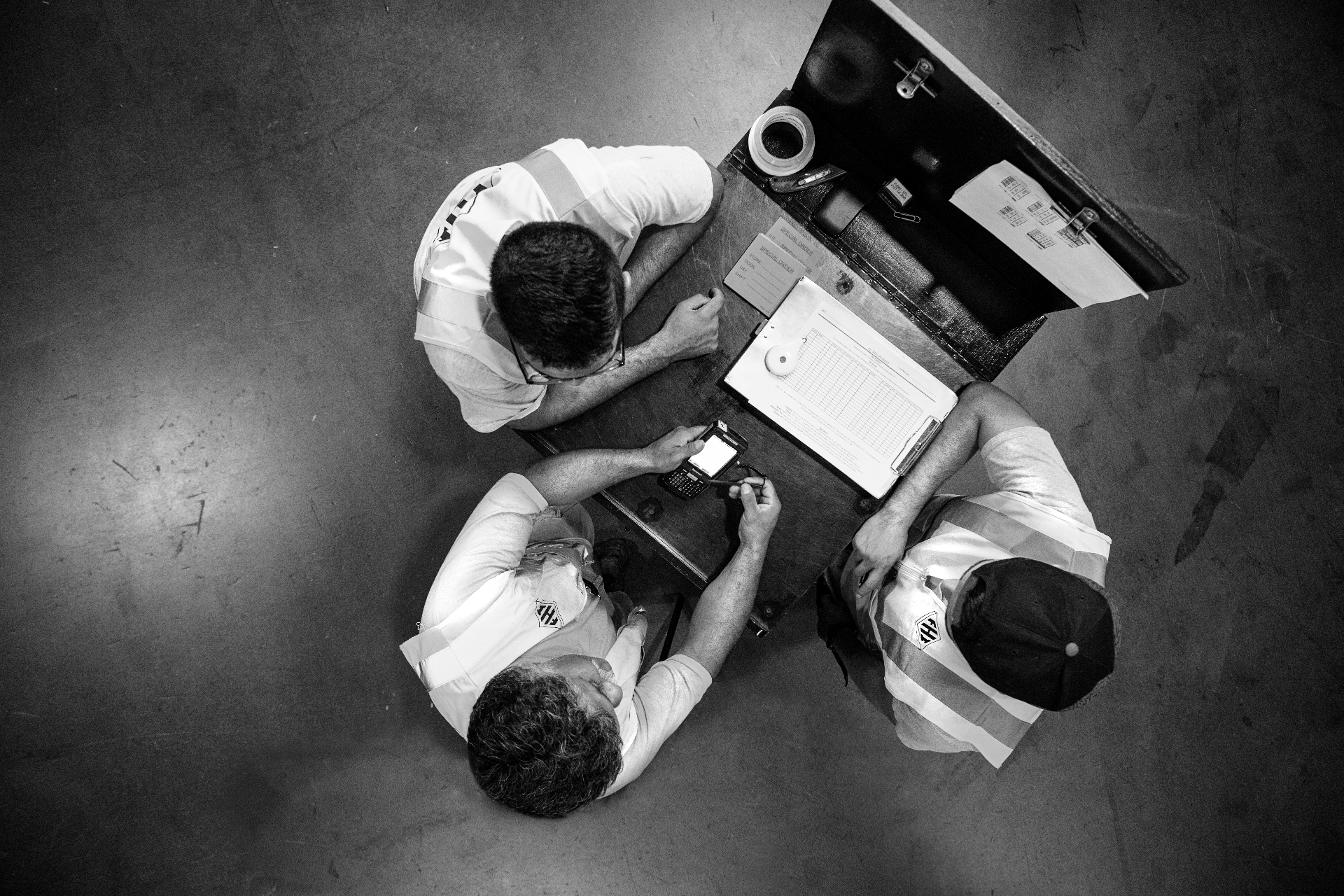
Effectively leading drivers and dock teams in logistics means supervisors must understand each group's distinct operational realities and communication styles. Building a culture of clear handoffs, mutual respect, and shared goals is key to overcoming common friction points and ensuring smooth, efficient warehouse and transportation operations.
The Leadership Challenge: Bridging the Logistics Divide
As a supervisor in logistics, you often find yourself managing two distinct, yet interconnected, groups: your drivers and your dock team. Each has unique pressures, schedules, and perspectives. The challenge isn't just about managing individuals; it's about making sure these two teams operate as one cohesive unit, minimizing friction and maximizing efficiency. When communication breaks down or one team feels unsupported by the other, the entire operation suffers – leading to delays, errors, and frustrated team members.
Why This Is Hard: Different Worlds, Shared Goals
Leading drivers and dock teams is inherently complex because they often operate in what feel like different worlds. Drivers are often on the road, dealing with traffic, schedules, and external pressures, making real-time communication a challenge. Their focus is on timely delivery and pickup. Dock teams, on the other hand, are focused on rapid loading, unloading, and staging within the four walls of the facility, often under intense time constraints. They prioritize speed and accuracy in handling freight.
These differing priorities and environments can create natural misunderstandings. A driver might feel the dock team is too slow, while the dock team might feel drivers arrive unpredictably or unprepared. As a leader, you're tasked with ensuring these groups not only tolerate each other but actively collaborate. This requires more than just assigning tasks; it demands a deep understanding of each role's pressures and a proactive approach to fostering teamwork.
A Simple Plan: 3 Steps to One Cohesive Logistics Team
To lead your drivers and dock teams towards greater synergy, focus on these three practical steps:
1. Standardize Communication & Handoffs
- Establish Clear Protocols: Define exactly how information should flow between drivers and the dock team (e.g., arrival times, special handling instructions, load discrepancies). Use simple, consistent templates or digital tools.
- Dedicated Communication Channels: Ensure there's a reliable way for teams to communicate quickly. This might be a two-way radio, a specific chat app, or a designated point person for each shift.
- Regular Briefings: Hold brief, frequent huddles or stand-ups that include representatives from both sides, especially during shift changes or before peak periods. This is an opportunity to share updates, address potential issues, and reinforce shared goals.
2. Foster Mutual Understanding & Empathy
- Cross-Training Initiatives: Where practical and safe, allow dock team members to shadow drivers for a short period, and vice-versa. Understanding the other side's challenges firsthand can dramatically increase empathy.
- Shared Problem-Solving: When issues arise (e.g., a late truck, a misloaded trailer), bring representatives from both teams together to analyze the root cause and propose solutions. This prevents finger-pointing and builds collective ownership.
- Acknowledge Contributions: Regularly highlight how the success of one team directly impacts the other. Celebrate shared wins that result from effective collaboration, not just individual team achievements.
3. Reinforce Shared Goals & Accountability
- Align KPIs: Ensure that certain key performance indicators (KPIs) are shared or clearly linked between the two groups. For example, 'on-time dispatch' impacts both.
- Consistent Expectations: Clearly communicate performance expectations for both teams regarding timeliness, accuracy, and adherence to safety protocols. Ensure these expectations are applied fairly and consistently.
- Lead by Example: Your attitude as a supervisor is critical. Demonstrate respect, fairness, and a commitment to teamwork in every interaction. Address conflicts objectively, focusing on process improvement rather than blame.
What Success Looks Like
When you successfully implement these strategies, you'll see a transformation in your logistics operation. Communication flows easily, reducing delays and errors. Drivers feel prepared and supported upon arrival and departure, knowing the dock team is working efficiently on their behalf. The dock team processes freight smoothly, confident in the information received from drivers. This translates into faster turnarounds, fewer missed deadlines, improved safety, and ultimately, a more positive and productive work environment for everyone. Your teams will operate not as two separate entities, but as essential parts of a single, well-oiled logistics machine, driving higher operational performance and job satisfaction. For more guidance on cultivating confident leaders, explore our practical blog resources.
Understanding your current leadership strengths and areas for growth is the first step toward building this unified team. Take a moment to complete the Leadership Laces Self-Assessment, designed to help frontline leaders like you identify key development opportunities.
If you're ready to take your logistics leadership to the next level and explore tailored training solutions for your team, don't hesitate to request a Leadership Laces session. We're here to help you build stronger, more cohesive operational teams.
Frequently asked questions
How can I improve communication between drivers and dock workers?
Improve communication by establishing clear, standardized protocols for information exchange, such as arrival times and special instructions. Implement dedicated channels like two-way radios or specific chat apps, and encourage regular, brief joint huddles to share updates and address potential issues proactively.
What are common friction points between logistics drivers and dock teams?
Common friction points often arise from differing time pressures and priorities. Drivers may feel frustrated by perceived delays on the dock, while dock teams might struggle with unpredictable driver arrival times, disorganized loads, or unclear instructions. Lack of understanding for each other's operational realities also contributes to friction.
How can I encourage my teams to see themselves as one unit?
Encourage unity by fostering mutual understanding through cross-training and shared problem-solving. Highlight how the success of one team directly impacts the other, celebrate collective achievements, and align relevant KPIs. Your consistent example of respect and teamwork is crucial for building a cohesive culture.
What role does a supervisor play in resolving conflicts between these two groups?
A supervisor plays a critical role as a mediator and facilitator. You must address conflicts objectively, focusing on understanding the root cause rather than assigning blame. Implement fair and consistent expectations, use conflicts as learning opportunities for process improvement, and consistently reinforce the shared goals of the overall operation.
Download the Leadership Laces Self-Assessment
See where your frontline supervisors stand in under 10 minutes. Score the gaps that quietly cost you retention, safety, and output.
Bring a Leadership Laces session to your team
Practical, floor-tested training built for warehouse, logistics, manufacturing, and supply chain supervisors.
Free Tool
Not Sure Where Your Frontline Leadership Stands?
Download the Leadership Laces Self-Assessment and use the scorecard to identify strengths, gaps, and next steps in trust, accountability, communication, feedback, and team connection.