
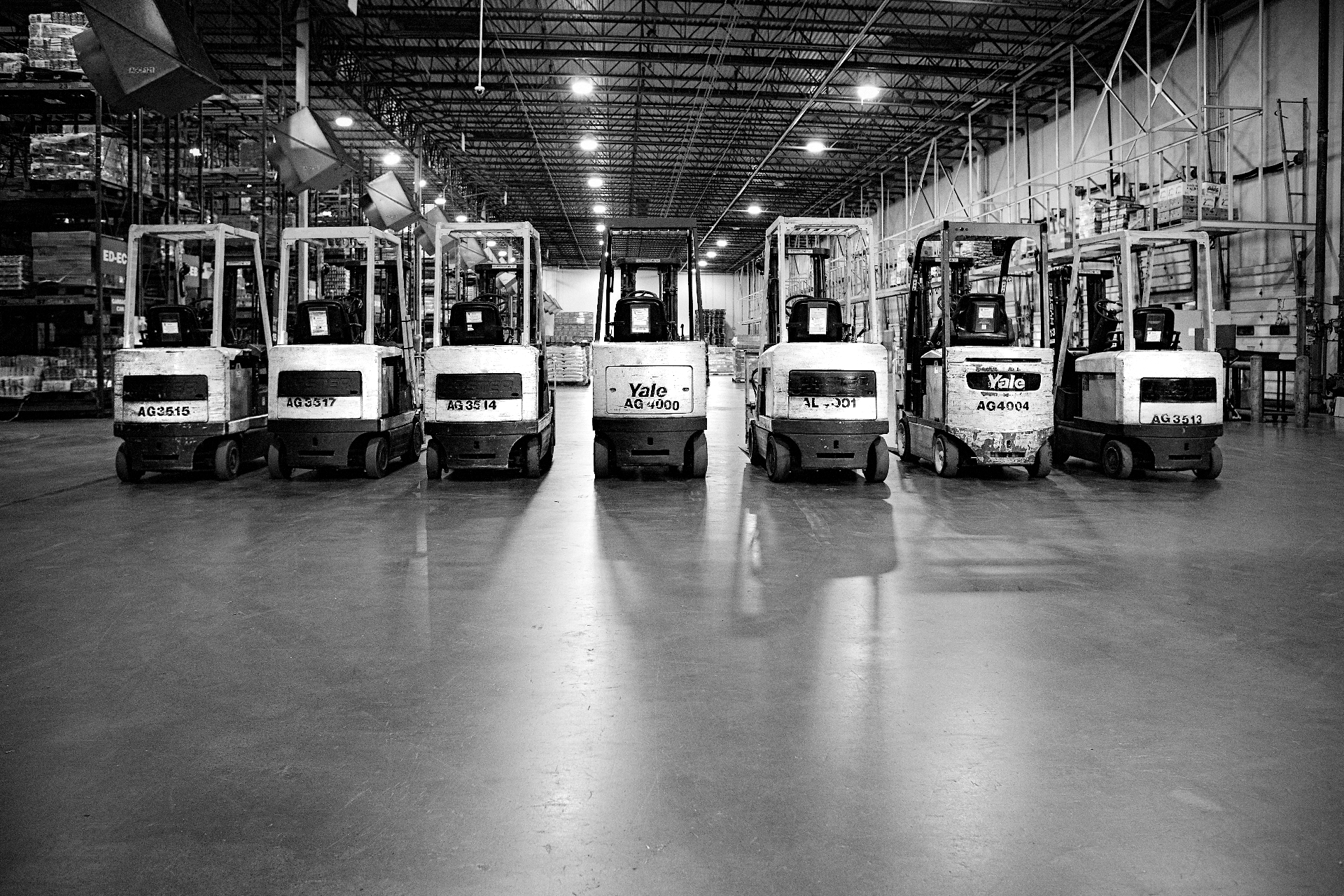
Leading logistics drivers and dock teams requires supervisors to bridge distinct operational environments and communication styles. Supervisors must implement clear, consistent communication protocols, foster mutual respect by highlighting interdependencies, and ensure fair, transparent accountability. Building a unified team culture, despite physical separation, improves efficiency, reduces errors, and enhances overall operational flow.
The Leadership Challenge: Unifying Disparate Teams
As a supervisor in logistics, you’re often responsible for both the dock team, who are focused on efficient loading, unloading, and staging, and the driver team, who navigate routes, delivery schedules, and customer interactions. The core challenge is that these teams, while interdependent, often operate with different priorities, schedules, and even communication methods. You might find a communication gap emerging, leading to finger-pointing when issues arise, or a lack of understanding about the pressures each team faces. This can erode trust and accountability, ultimately impacting your operational flow and customer satisfaction.
Why Bridging This Gap Is Hard
It’s tough to effectively lead teams that spend most of their time in different physical spaces with varied immediate concerns. Your dock team is often working in a high-volume, time-sensitive environment, focused on throughput and accuracy within the four walls of the facility. Drivers, on the other hand, operate largely independently, dealing with traffic, delivery windows, and unexpected road conditions. They might feel disconnected from the facility, while the dock team might feel drivers don't always understand the preparation effort. You, as their leader, need to understand both worlds deeply enough to connect them. This isn't about blaming; it's about recognizing the inherent structural divisions that make clear leadership crucial.
A Simple Plan for Cohesive Logistics Leadership
To effectively lead your drivers and dock teams, focus on creating clear connections and mutual understanding. Here’s a three-step plan:
1. Establish Unified Communication Channels & Routines
- Daily Huddles (Dock & Drivers): If possible, start the day with a brief huddle that includes representatives from both teams. Share daily priorities, potential challenges, and key information that affects both. If drivers are out, use a quick digital update or a dedicated communication app.
- Standardized Information Sharing: Implement consistent methods for sharing critical information, such as load specifics, delivery changes, or equipment issues. This could be a shared digital dashboard, a dedicated communication log, or a specific huddle before outbound dispatches.
- Feedback Loops: Create structured opportunities for both teams to provide feedback to each other. For example, a weekly "dock-to-driver" or "driver-to-dock" feedback session can highlight pain points and suggest improvements in a constructive way.
2. Foster Interdependence and Mutual Respect
- Cross-Training & Shadowing: Where practical, allow dock team members to ride along with drivers for a portion of a route, and have drivers spend time working on the dock. This hands-on experience builds empathy and understanding of each other's challenges.
- Highlight Shared Goals: Regularly remind both teams that their success is intertwined. Emphasize that efficient loading directly impacts driver routes, and timely, accurate deliveries reflect positively on the entire operation.
- Celebrate Collective Wins: When a difficult week is successfully navigated, or a major delivery goal is hit, celebrate it as a team effort, acknowledging the contributions of both drivers and dock personnel.
3. Implement Fair and Transparent Accountability
- Clear Expectations: Ensure both teams have a crystal-clear understanding of their roles, responsibilities, and performance metrics. These expectations should be communicated consistently.
- Consistent Coaching: When issues arise, address them with fair and consistent coaching, regardless of whether the individual is a driver or on the dock. Focus on the process and the outcome, not just the individual.
- Problem-Solving Together: When a recurring problem impacts both teams (e.g., late departures, damaged goods), bring representatives from both sides together to brainstorm solutions. This builds ownership and collective problem-solving skills.
What Success Looks Like
When you effectively bridge the gap between your drivers and dock teams, you'll see a noticeable shift in your operation. Communication will become more fluid, with fewer misunderstandings and less blame. Accountability will improve as teams understand how their actions affect others. Morale will rise as a sense of 'us vs. them' is replaced by 'we are one team.' This leads directly to smoother transitions, reduced errors, faster turnaround times, and ultimately, a more efficient and profitable logistics operation that consistently meets customer expectations. Your role as a strong frontline supervisor becomes even more impactful.
Are you ready to assess your leadership strengths and identify areas for growth? The Leadership Laces Self-Assessment provides practical insights to help you become a more effective leader.
If you're looking to develop these skills within your team, consider how targeted training can make a difference. You can request a Leadership Laces session to explore customized programs designed for frontline logistics supervisors like you.
Frequently Asked Questions
What are the biggest challenges in leading drivers?
Leading drivers often involves managing their independence while ensuring adherence to safety, schedules, and customer service standards. They spend significant time on the road, making direct supervision and immediate feedback more difficult. Maintaining communication, providing support from a distance, and addressing unexpected route issues are common challenges.
How do dock team leadership challenges differ from drivers?
Dock team leadership typically focuses on managing workflow, efficiency, and safety within a confined, high-activity environment. Challenges include coordinating multiple tasks simultaneously, ensuring accuracy in loading/unloading, managing equipment, and fostering teamwork under time pressure. Communication is often more immediate but can still be prone to misunderstandings if not structured.
How can I improve communication between drivers and dock teams?
Improve communication by implementing standardized daily check-ins, even if virtual for drivers. Use a shared communication platform for updates and feedback. Schedule regular joint meetings to discuss interdependencies and shared challenges, allowing both teams to voice concerns and suggest solutions. This fosters a mutual understanding of each other's operational pressures.
What’s the most important factor in unifying these two teams?
The most important factor is fostering a strong sense of shared purpose and mutual respect. Highlighting how each team's success directly contributes to the other's, and ultimately to customer satisfaction, can unify efforts. Cross-training or shadowing opportunities can also build empathy and understanding, breaking down 'us vs. them' mentalities.
Download the Leadership Laces Self-Assessment
See where your frontline supervisors stand in under 10 minutes. Score the gaps that quietly cost you retention, safety, and output.
Bring a Leadership Laces session to your team
Practical, floor-tested training built for warehouse, logistics, manufacturing, and supply chain supervisors.
Free Tool
Not Sure Where Your Frontline Leadership Stands?
Download the Leadership Laces Self-Assessment and use the scorecard to identify strengths, gaps, and next steps in trust, accountability, communication, feedback, and team connection.