
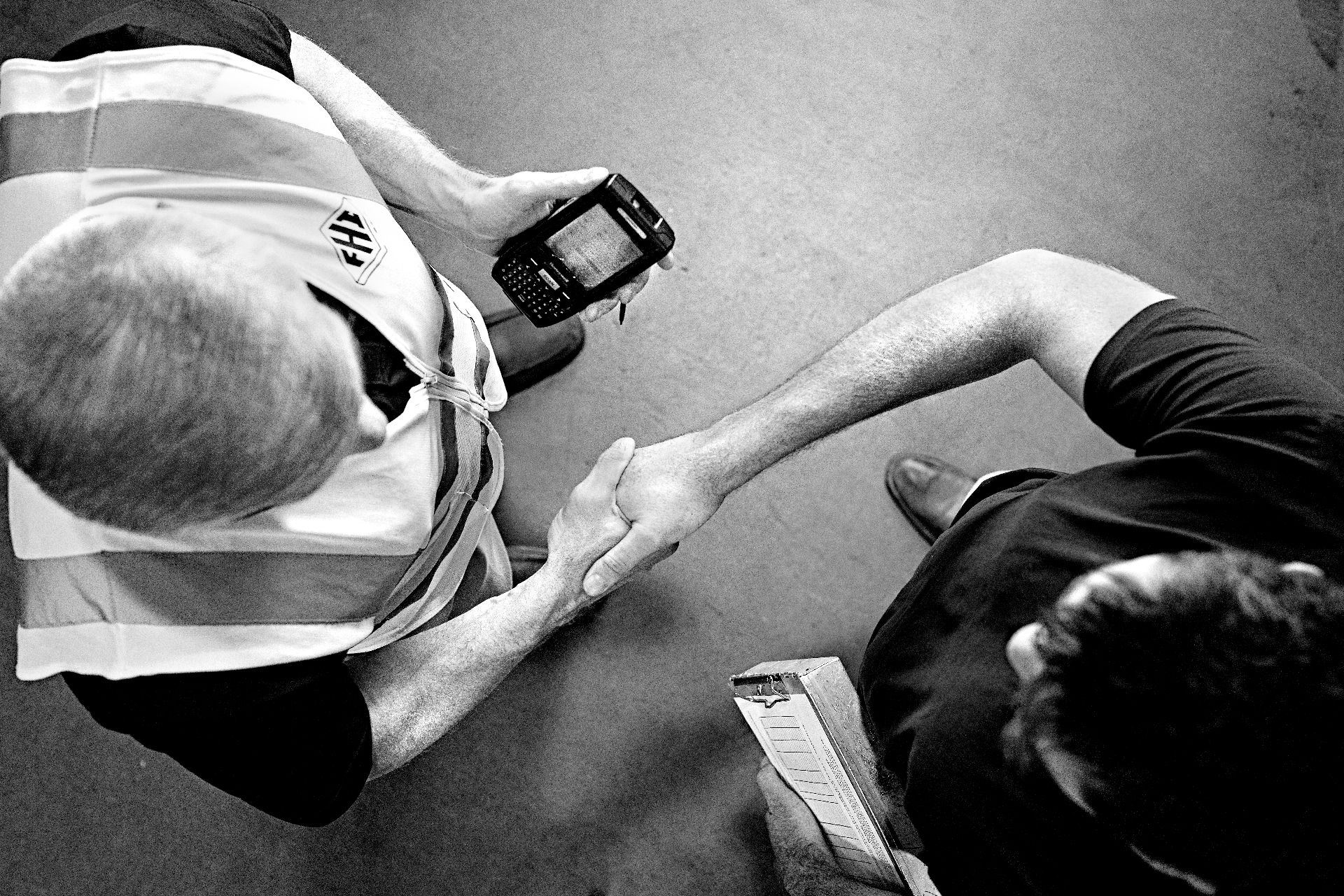
Assessing frontline leadership gaps involves a structured approach: define key leadership behaviors, observe leaders in action, gather anonymous feedback from direct reports, conduct one-on-one discussions, and analyze team performance metrics. This multi-faceted view helps supervisors understand where their team leaders excel and where targeted development can make the biggest impact, leading to improved operational efficiency and team morale.
The Problem: Unseen Gaps, Unmet Potential
As a frontline leader, you know that your team's success hinges on the effectiveness of your supervisors and team leads. But often, it's hard to clearly see where the weaknesses lie until a problem surfaces – a missed production target, a surge in errors, or a dip in team morale. These symptoms point to underlying leadership gaps, but identifying the root cause within the fast-paced, day-to-day operations can feel like trying to hit a moving target. Without a clear picture of what's missing, development efforts can be scattered, and your team's full potential remains untapped, impacting productivity and your bottom line.
Why This Is Hard: The Complexities of Frontline Leadership
Leading frontline teams in warehouses, manufacturing plants, or logistics operations is demanding. Your supervisors are dealing with tight deadlines, unexpected challenges, and a constant need to balance production goals with team well-being. It's not always easy for them to step back and reflect on their own performance, and it's even harder for you, their manager, to get an objective, complete view of their leadership effectiveness. Traditional annual reviews often miss the day-to-day nuances, and relying solely on outcomes doesn't tell the whole story of how a leader impacts their team. We understand that you're operating with limited time and resources, making a comprehensive assessment seem like another task on an already overflowing plate. Yet, ignoring these gaps fosters inconsistent performance, higher turnover, and a lack of clear direction for the team.
A Simple Plan: A 5-Step Approach to Assessing Frontline Leadership
To accurately identify leadership gaps and create a path for improvement, consider this practical, five-step framework:
1. Define Key Leadership Behaviors
- What to do: Start by clearly outlining what effective leadership looks like in your specific operational environment. These aren't vague traits; they're observable actions.
- Examples: Clear communication, consistent accountability, timely problem-solving, active listening, effective delegation, giving constructive feedback, safety adherence, inspiring teamwork.
- Why it matters: This creates a baseline. If you don't know what you're looking for, you can't accurately assess its presence or absence.
2. Observe Leaders in Action
- What to do: Spend time on the floor, observing your leaders as they interact with their teams, manage tasks, and handle issues.
- Look for: How do they communicate during shift changes? How do they address performance issues? Do they empower their team to solve problems, or do they always provide the answers? How do they handle pressure?
- Why it matters: Direct observation provides unfiltered insights that surveys or reports might miss. It shows you their style, their strengths, and potential areas for growth in real-time.
3. Gather Feedback from Direct Reports (Anonymously)
- What to do: Implement an anonymous feedback mechanism. This could be a simple survey asking about clarity of direction, fairness, support, and communication from their supervisor.
- Ensure anonymity: Stress that responses are confidential to encourage honest feedback.
- Why it matters: Team members often have the most direct experience with their leader's effectiveness. Anonymous feedback can reveal patterns or specific issues that leaders might not be aware of, or are unwilling to share directly.
4. Conduct One-on-One Discussions and Self-Assessments
- What to do: Schedule dedicated, confidential conversations with each leader. Ask them to reflect on their own strengths and challenges.
- Use guiding questions: "What's one thing you feel you do really well as a leader?" "What's an area where you'd like to improve?" "What challenges are you facing with your team that you need help with?" Consider having them complete a leadership self-assessment beforehand to guide the discussion.
- Why it matters: This is crucial for their personal growth. It allows them to articulate their perspective and take ownership of their development. It also helps you understand their challenges from their point of view.
5. Analyze Team Performance Metrics
- What to do: Look at quantitative data related to the team's output, quality, safety incidents, absenteeism, and turnover rates.
- Trends and comparisons: Are there consistent patterns in certain teams? Does one team consistently outperform or underperform others in specific areas, even with similar resources?
- Why it matters: While not solely indicative of leadership, these metrics can highlight areas where leadership impact is strong or weak. For example, high team turnover might point to issues with a leader's retention skills or ability to build team cohesion.
What Success Looks Like: A Stronger, More Resilient Frontline
By consistently applying this assessment framework, you'll gain a clear, actionable understanding of your leadership team's capabilities. Success means more than just identifying gaps; it means developing a team of confident, capable supervisors who consistently drive performance. You'll see clearer communication from leaders, more consistent application of operational standards, and improved problem-solving at the team level. Your teams will be more engaged, trust will increase, and the entire operation will run more smoothly and efficiently. This proactive approach turns potential weaknesses into opportunities for growth, strengthening your entire organization.
To further refine your understanding of your leadership strengths and areas for development, consider taking the comprehensive Leadership Laces Self-Assessment. It’s designed specifically for frontline leaders like you.
Ready to move beyond identifying gaps to building a truly exceptional leadership team? Request a Leadership Laces session to explore tailored training and development solutions for your organization.
Frequently Asked Questions
What are the most common leadership gaps in frontline teams?
Common gaps include inconsistent communication, difficulty holding team members accountable, lack of constructive feedback skills, weak problem-solving capabilities, and struggling to build team cohesion. Often, leaders excel in technical skills but need development in 'soft skills' like motivation and empathy. Identifying these specific areas allows for targeted training.
How often should leadership assessments be conducted?
While formal, comprehensive assessments might happen annually, components of this process should be ongoing. Regular observation, informal one-on-one check-ins, and continuous feedback loops are essential. Think of it as a continuous improvement process, not a one-time event, to keep pace with operational changes.
Can team performance metrics truly indicate a leadership gap?
Yes, but they are indicators, not definitive proof on their own. Consistently low output, high error rates, or increased absenteeism within a specific team, when compared to others, often signals an underlying leadership issue. These metrics should prompt further investigation using observation and feedback to understand the root cause rather than just the symptom.
How can I ensure anonymous feedback is honest and constructive?
Transparency about the process, guaranteed confidentiality, and a clear explanation of how the feedback will be used (for development, not punishment) are crucial. Use a third-party tool if possible, or ensure management isn't involved in collecting raw responses. Focusing questions on observable behaviors rather than personalities also helps ensure the feedback is actionable.
What if a leader pushes back on assessment results?
This is a common challenge. Approach the discussion with empathy, focusing on growth and development rather than pointing fingers. Present the feedback as opportunities for improvement and offer support and resources. Remind them that every leader has areas for growth, and this process is about elevating everyone's capabilities for collective success.
Download the Leadership Laces Self-Assessment
See where your frontline supervisors stand in under 10 minutes. Score the gaps that quietly cost you retention, safety, and output.
Bring a Leadership Laces session to your team
Practical, floor-tested training built for warehouse, logistics, manufacturing, and supply chain supervisors.
Free Tool
Not Sure Where Your Frontline Leadership Stands?
Download the Leadership Laces Self-Assessment and use the scorecard to identify strengths, gaps, and next steps in trust, accountability, communication, feedback, and team connection.