
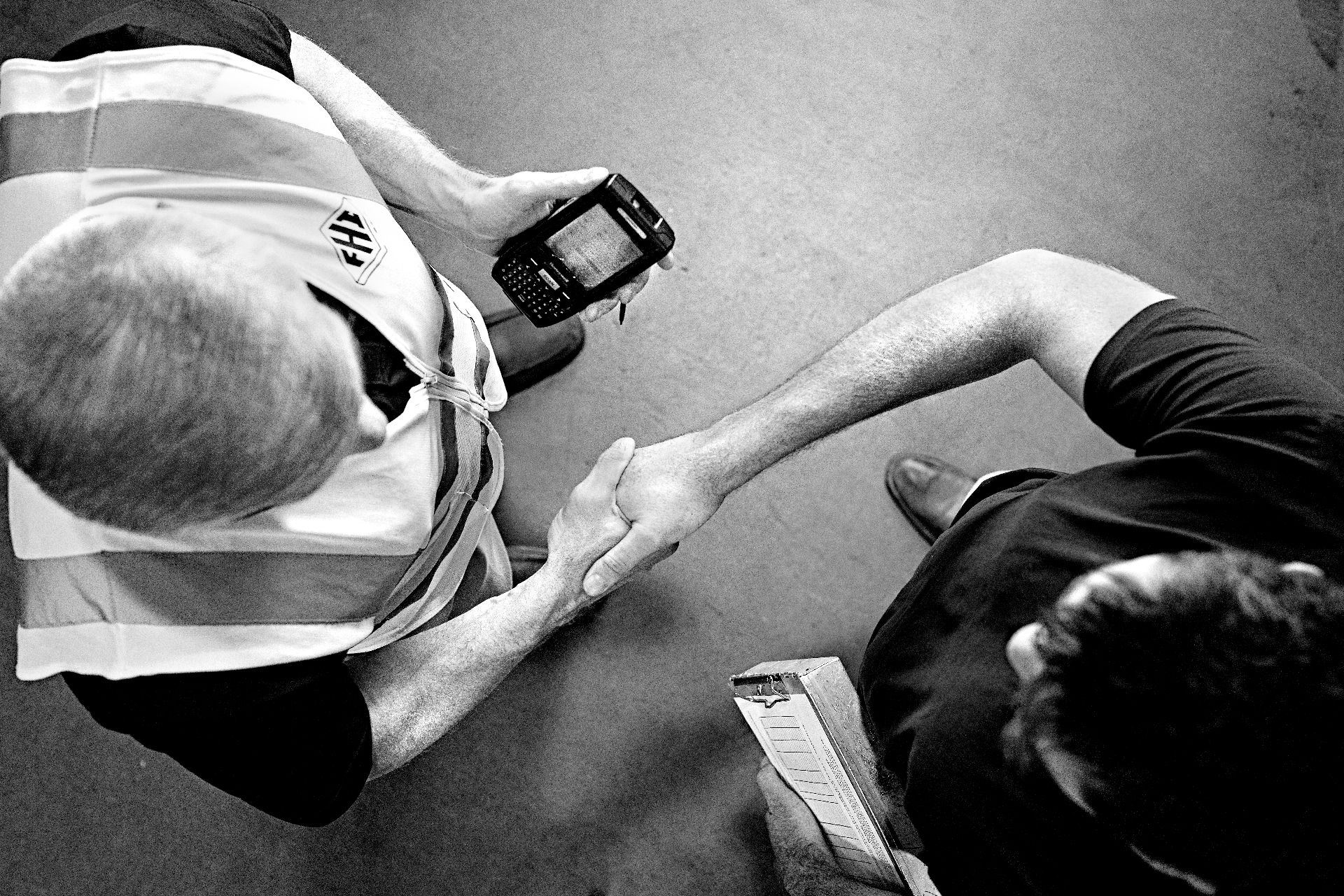
Frontline supervisors are the linchpin of a strong safety culture because they directly influence daily behaviors, communicate expectations, enforce standards, and model safe practices. Their consistent engagement and commitment to safety on the ground level translate policies into observable actions, making them indispensable for fostering a workplace where safety is a shared, continuous priority for everyone.
The Problem: Safety Culture Stalls at the Supervisor Level
You have safety policies, procedures, and perhaps even regular training sessions. But sometimes, despite the best intentions, safety incidents still occur, near-misses go unreported, and compliance feels like a box-ticking exercise rather than a genuine commitment. The issue often isn't the policy itself, but how it's lived and breathed on the operational floor. If your frontline supervisors aren't fully equipped and empowered to lead safety, then the culture you aspire to build will falter.
Without clear ownership and consistent day-to-day leadership, safety can become an abstract concept. Teams might see it as 'management's job' rather than 'everyone's responsibility.' This gap between written policy and daily practice creates inconsistency, confusion, and ultimately, a higher risk of incidents.
Why This Is Hard: The Daily Demands of Frontline Leadership
Leading frontline teams in fast-moving warehouse, logistics, manufacturing, or operations environments is inherently challenging. Supervisors are juggling production targets, quality control, staffing, problem-solving, and managing diverse personalities. Adding 'safety champion' to an already packed plate can feel overwhelming if they haven't been given the specific tools and confidence to own that role.
It's not enough to tell supervisors to 'be safe' or 'enforce safety rules.' They need to understand the 'why' behind the rules, feel comfortable addressing unsafe behaviors, know how to conduct effective safety briefings, and build trust so team members feel safe reporting concerns without fear of reprisal. This isn't always intuitive; it requires specific leadership development.
A Simple Plan: Empowering Supervisors to Lead Safety
Building a robust safety culture led by your frontline supervisors comes down to three key pillars: equipping, empowering, and engaging.
1. Equip with Knowledge and Skills
- Deep Dive into Policies & Procedures: Ensure supervisors aren't just aware of safety rules but understand the rationale behind each one. They should be able to explain the 'why' to their team, not just the 'what.'
- Hazard Recognition Training: Go beyond general awareness. Train supervisors specifically on identifying area-specific hazards, conducting daily walkthroughs, and proactive risk assessment.
- Communication & Feedback Skills: Give them practical tools for delivering safety messages clearly, coaching team members on safe practices, and providing constructive feedback on unsafe behaviors without alienating the individual. This is crucial for fostering effective feedback among frontline supervisors.
- Incident Investigation Basics: Teach them how to properly document near-misses and incidents, identify root causes, and contribute to corrective actions.
2. Empower with Authority and Resources
- Clear Accountabilities: Define safety responsibilities explicitly in their job descriptions and performance reviews. Make safety performance a measurable part of their role.
- Decision-Making Power: Where appropriate, give supervisors the authority to stop work for safety concerns, approve minor safety improvements, or reassign tasks based on safety assessments.
- Accessible Resources: Ensure they have easy access to PPE, safety data sheets, maintenance support, and management backing when safety issues arise. Show them you'll support their safety decisions.
- Regular Safety Meetings: Involve supervisors in planning and leading team safety huddles and departmental safety meetings.
3. Engage for Continuous Improvement
- Model Safe Behavior: Supervisors must consistently demonstrate safe practices themselves. Actions speak louder than policies.
- Listen Actively: Encourage supervisors to solicit safety suggestions and concerns from their teams. Create mechanisms for these ideas to be heard and acted upon.
- Recognize and Reinforce: Train supervisors to acknowledge and praise safe behaviors, not just to correct unsafe ones. Positive reinforcement builds a proactive safety mindset.
- Continuous Learning: Provide ongoing training, refreshers, and opportunities for supervisors to share best practices and challenges with their peers.
What Success Looks Like
When your frontline supervisors effectively lead safety, you'll see a noticeable shift. There will be fewer incidents and near-misses, and when they do occur, they'll be reported promptly and thoroughly. Team members will proactively identify and address hazards. Communication about safety will be open and consistent, fostering a culture of trust where everyone feels responsible for protecting themselves and their colleagues. Equipment will be better maintained, workstations will be tidier, and overall operational efficiency will improve as a byproduct of a more organized, safety-conscious environment. You'll build a resilient team and a safer, more productive workplace.
To understand where your leadership strength lies in areas like safety, consider downloading the Leadership Laces Self-Assessment. It’s a practical tool designed to highlight opportunities for growth in crucial leadership competencies.
If you're looking to equip your supervisors with the specific skills to champion safety and other critical operational objectives, don't hesitate to request a Leadership Laces session. We specialize in practical, on-the-floor leadership development.
Frequently Asked Questions
What makes frontline supervisors so critical for safety culture?
Frontline supervisors are on the ground every day, directly observing work, interacting with team members, and making real-time decisions. They are the primary communicators of expectations and the first line of defense against unsafe practices, making their commitment and visibility paramount to effective safety culture.
How can supervisors encourage workers to report safety concerns?
Supervisors can encourage reporting by fostering an open, trust-based environment where concerns are met with constructive action, not blame. Actively listening, thanking individuals for reporting, and visibly addressing issues demonstrates that their input is valued and taken seriously.
What's the difference between safety compliance and safety culture?
Safety compliance is about adhering to rules and regulations as minimum requirements. Safety culture, on the other hand, is the shared values, beliefs, and behaviors that make safety a fundamental priority, moving beyond mere compliance to a proactive commitment from everyone.
How often should supervisors discuss safety with their teams?
Safety should be a continuous conversation, not just an occasional topic. Daily safety huddles, informal check-ins, and integrating safety into task instructions ensure that it remains top-of-mind and an integral part of operations.
What resources do supervisors need to lead safety effectively?
Supervisors need comprehensive training on policies, hazard recognition, and communication, along with the authority to act on safety issues. They also require accessible PPE, reliable equipment, and management support for their safety initiatives.
Download the Leadership Laces Self-Assessment
See where your frontline supervisors stand in under 10 minutes. Score the gaps that quietly cost you retention, safety, and output.
Bring a Leadership Laces session to your team
Practical, floor-tested training built for warehouse, logistics, manufacturing, and supply chain supervisors.
Free Tool
Not Sure Where Your Frontline Leadership Stands?
Download the Leadership Laces Self-Assessment and use the scorecard to identify strengths, gaps, and next steps in trust, accountability, communication, feedback, and team connection.